Flaky Butter Croissants
Highlighted under: Creative Baking Favorites
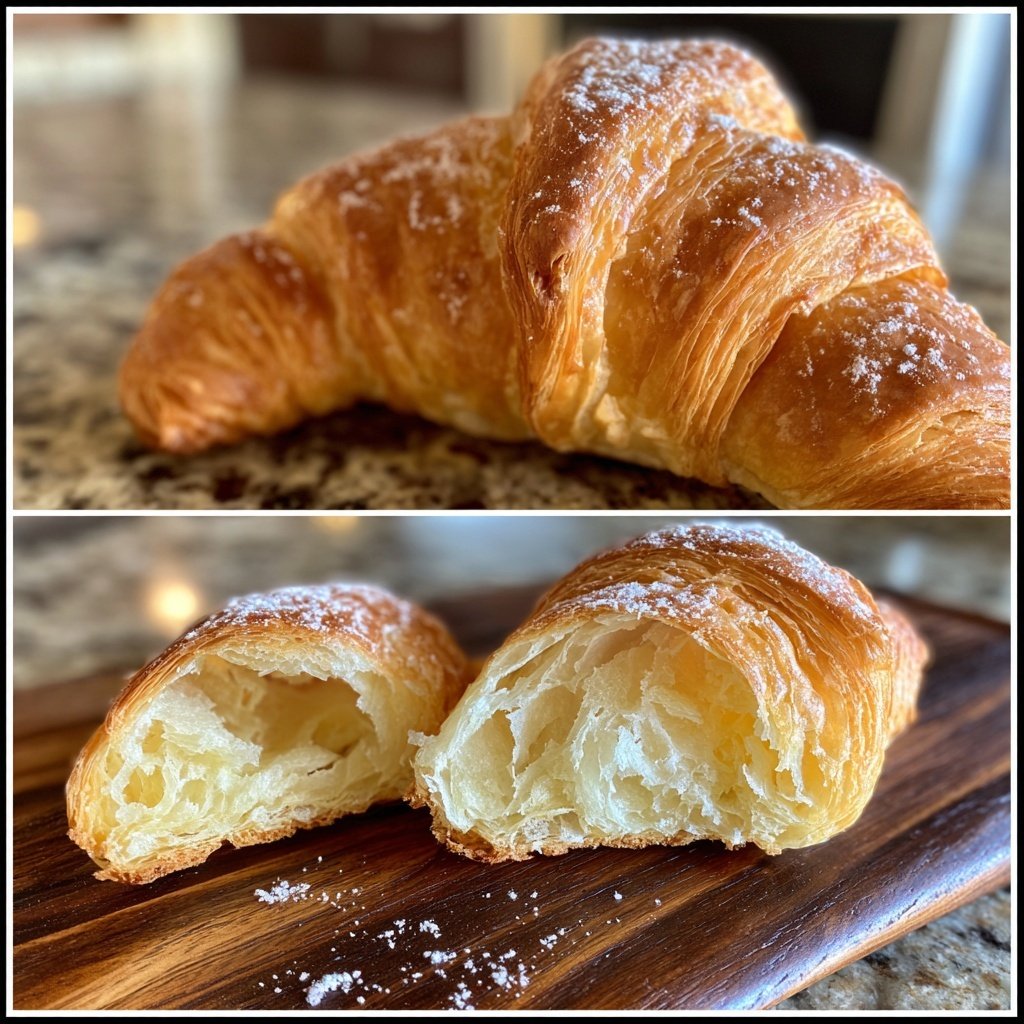
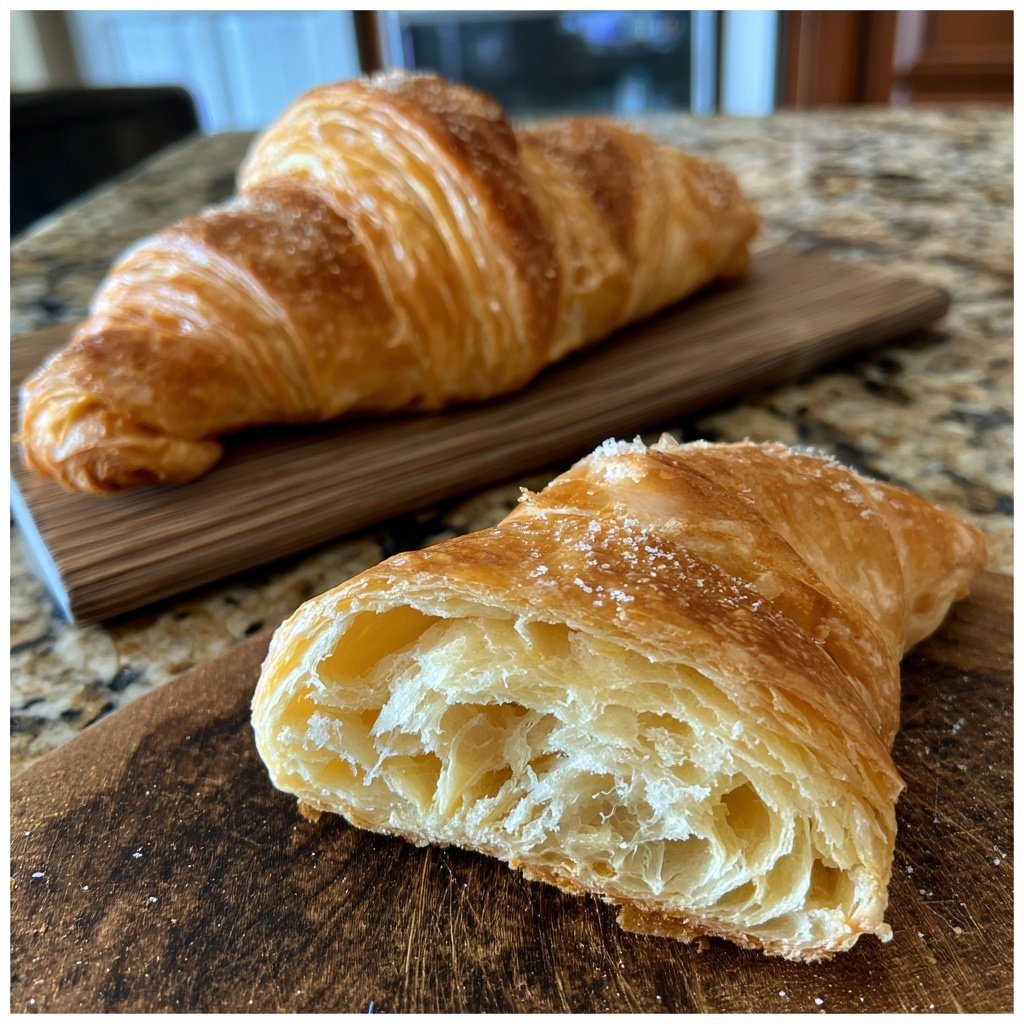
When I first attempted to make flaky butter croissants, I was both excited and a little intimidated by the process. Each layer of dough and butter that I folded reminded me of the art of pastry making. After experimenting with various techniques, I finally discovered the perfect balance of ingredients and timing to achieve those deliciously flaky layers. It took some practice, but the results were absolutely worth it, making every bite a heavenly indulgence worth savoring.
My journey into making flaky butter croissants was filled with trial and error, but the moment I pulled that golden batch from the oven was truly rewarding. It was essential to let the dough rest adequately between folds to ensure those layers developed beautifully. The first time I rushed this step, my croissants were heavy rather than light and airy.
The key takeaway I learned is that the secret to those perfectly flaky layers lies in the chilled butter and dough. Keeping everything cold prevents the butter from melting into the dough and creates those beautiful, airy pockets that we love. I often find myself spending an extra couple of minutes with the rolling pin, ensuring each fold is just right before allowing it to rest again.
Why You'll Love This Recipe
- Perfectly flaky layers that melt in your mouth
- Rich buttery flavor that's irresistible
- A rewarding baking project to impress your friends
Understanding Laminating
Laminating is the technique that creates those signature flaky layers in croissants. It involves enveloping cold butter within rolled-out dough, which is then folded multiple times. This method traps air and creates steam during baking, resulting in lift and flakiness. Ensuring your butter is the right consistency is crucial; it should be pliable but still firm, allowing you to roll it easily without breaking. If your butter becomes too soft, it will blend into the dough, defeating the purpose of layering.
As you roll and fold the dough, maintaining a consistent temperature is important. If your kitchen is warm, consider chilling everything more frequently to prevent the butter from melting. A good indication that you’re on the right track is the dough's ability to stretch and spring back without tearing. If you find it difficult, let it rest in the fridge for 15-20 minutes before continuing to roll and fold.
Choosing the Right Ingredients
The quality of your butter is crucial for rich flavor and proper lamination. Opt for high-fat European-style butter if possible, as it has a higher fat content and less moisture than regular butter, leading to better layers. Granulated sugar not only sweetens the dough but also helps with browning during baking. If you want to reduce sugar, consider using a naturally sweetened milk alternative—just be cautious with the moisture content as it might affect the dough's texture.
If you're looking to adapt the recipe for dietary preferences, you can substitute all-purpose flour with a 1:1 gluten-free flour blend. However, be aware that it may slightly change the texture. Also, dairy-free butter can be used in place of unsalted butter, but choose a version that remains firm when cold to achieve the desired layering effects.
Storing and Serving Tips
Once baked, flaky butter croissants are best enjoyed fresh. However, if you have leftovers, store them in an airtight container at room temperature for up to 2 days. To revive them, pop them in a preheated oven at 350°F (175°C) for a few minutes until warm and crispy again. For longer preservation, freeze the unbaked croissants on a baking sheet, then transfer them to a freezer-safe bag. They can be baked straight from frozen, adding an extra 5-10 minutes to the baking time.
Consider pairing your croissants with various fillings and spreads to elevate your serving experience. A simple honey or high-quality jam complements the croissant's buttery flavor beautifully. For a savory option, try filling the croissants with cheese or deli meats before rolling them up. These variations can transform your croissants into delightful breakfast or brunch offerings that your guests will remember.
Ingredients
Dough
- 4 cups all-purpose flour
- 1/4 cup granulated sugar
- 1 tablespoon salt
- 1 tablespoon instant yeast
- 1 1/4 cups whole milk, warm
- 1/2 cup unsalted butter, melted
- 1/4 cup unsalted butter, cold, for laminating
Instructions
How to Make Flaky Butter Croissants
Mix the Dough
In a bowl, combine flour, sugar, salt, and yeast. Gradually add warm milk and melted butter. Mix until a dough forms. Knead for about 5 minutes until smooth.
First Rise
Place the dough in a greased bowl, cover, and let it rise in a warm place for about 90 minutes or until doubled in size.
Prepare for Laminating
Roll out the cold butter between parchment papers until it forms a square. Chill the butter back in the fridge.
Laminate the Dough
Roll the risen dough into a large rectangle. Place the chilled butter in the center and fold the dough around it. Roll it out and fold it into thirds. Chill for 30 minutes.
Shape Croissants
After chilling, roll the dough out again and cut it into triangles. Roll each triangle tightly to form a croissant shape. Place on a baking sheet and let them rise for 60 minutes.
Bake
Preheat the oven to 400°F (200°C). Brush the croissants with egg wash and bake for 20-25 minutes or until golden brown.
Enjoy!
Pro Tips
- Make sure to keep your ingredients cold to achieve the best flaky layers. Patience is key in the resting phases.
Troubleshooting Common Issues
If your croissants don’t rise as expected, check the yeast's freshness. Instant yeast can lose potency over time; it should be stored in a cool, dry place and used before the expiration date. If the dough seems too dry or crumbly, this might be due to insufficient moisture in the warm milk. Adding a teaspoon of water at a time during the mixing process can help achieve the right consistency.
In the event of butter leaking out during baking, it may indicate that your dough was rolled too thin or the butter wasn’t cold enough. To prevent this, ensure your butter stays firm throughout the lamination process. If you notice excessive butter leakage while baking, reduce the initial rolling pressure to create a thicker barrier to contain the butter.
Scaling the Recipe
If you want to scale the recipe for larger batches, simply double or triple the ingredient quantities equally. Just keep in mind that the mixing and kneading times might increase slightly. It’s also essential to ensure there’s ample space in your refrigerator for chilling the laminated dough. Consider dividing the dough into smaller portions for easier handling during the rolling and folding process.
Scaling down is also feasible; you can cut the recipe in half while maintaining the same ratios. If you only want to make a few croissants, feel free to freeze any extra dough for later use. Wrap it tightly in plastic wrap and store it in the freezer for up to a month. Defrost it in the refrigerator overnight before shaping and baking.
Questions About Recipes
→ Can I freeze croissants?
Absolutely! You can freeze unbaked croissants after shaping. Simply bake them straight from the freezer, adding a few extra minutes to the baking time.
→ How do I know when croissants are done?
Croissants are done when they are golden brown and sound hollow when tapped on the bottom.
→ What can I serve with croissants?
Croissants are delightful on their own but can be served with jam, butter, or even chocolate spread for a sweet touch.
→ How long do croissants stay fresh?
Homemade croissants are best enjoyed fresh but can be kept in an airtight container for up to 2 days. They can also be reheated in the oven for a few minutes to restore their flakiness.
Flaky Butter Croissants
Created by: Cassandra Reed
Recipe Type: Creative Baking Favorites
Skill Level: Intermediate
Final Quantity: 12 croissants
What You'll Need
Dough
- 4 cups all-purpose flour
- 1/4 cup granulated sugar
- 1 tablespoon salt
- 1 tablespoon instant yeast
- 1 1/4 cups whole milk, warm
- 1/2 cup unsalted butter, melted
- 1/4 cup unsalted butter, cold, for laminating
How-To Steps
In a bowl, combine flour, sugar, salt, and yeast. Gradually add warm milk and melted butter. Mix until a dough forms. Knead for about 5 minutes until smooth.
Place the dough in a greased bowl, cover, and let it rise in a warm place for about 90 minutes or until doubled in size.
Roll out the cold butter between parchment papers until it forms a square. Chill the butter back in the fridge.
Roll the risen dough into a large rectangle. Place the chilled butter in the center and fold the dough around it. Roll it out and fold it into thirds. Chill for 30 minutes.
After chilling, roll the dough out again and cut it into triangles. Roll each triangle tightly to form a croissant shape. Place on a baking sheet and let them rise for 60 minutes.
Preheat the oven to 400°F (200°C). Brush the croissants with egg wash and bake for 20-25 minutes or until golden brown.
Extra Tips
- Make sure to keep your ingredients cold to achieve the best flaky layers. Patience is key in the resting phases.
Nutritional Breakdown (Per Serving)
- Calories: 250 kcal
- Total Fat: 15g
- Saturated Fat: 10g
- Cholesterol: 40mg
- Sodium: 180mg
- Total Carbohydrates: 23g
- Dietary Fiber: 1g
- Sugars: 1g
- Protein: 4g